Why ADHD Makes Us Procrastinate for Hours (And Why You’re Not Lazy)

If you have ADHD, you’ve probably experienced this before:
You need to do something important.
It might only take 10 minutes.
You know it needs doing.
You WANT to do it.
But instead, you somehow spend three hours:
- scrolling your phone
- reorganizing random things
- watching videos
- staring into space
- thinking about the task without actually starting it
Then the guilt kicks in.
You call yourself lazy. Unmotivated. Undisciplined.
But here’s the truth:
ADHD procrastination is not laziness.
It’s often a dopamine and executive function issue.
Once you understand what’s happening in the ADHD brain, procrastination starts making a lot more sense.
What Causes ADHD Procrastination?
ADHD affects the brain’s executive functions — the mental skills responsible for:
- starting tasks
- prioritising
- focusing
- regulating attention
- managing motivation
One of the biggest factors involved is dopamine.
Dopamine is a neurotransmitter linked to:
- motivation
- reward
- interest
- focus
- pleasure
People with ADHD are believed to have lower dopamine activity in certain parts of the brain.
This means the ADHD brain constantly searches for stimulation, novelty, urgency, or interest.
That’s why boring or repetitive tasks can feel almost physically painful to start.
Why Simple Tasks Feel Impossible With ADHD
For people without ADHD, a task like folding laundry might feel mildly annoying.
For an ADHD brain, it can feel:
- understimulating
- overwhelming
- mentally heavy
- impossible to begin
The problem isn’t usually the task itself.
It’s the lack of dopamine the task provides.
Your brain is essentially asking:
“Where is the reward? Why should I care about this right now?”
If the answer is “there isn’t one,” your brain struggles to activate.
Meanwhile, highly stimulating activities like:
- social media
- online shopping
- gaming
- YouTube
- hyperfixation hobbies
…provide instant dopamine.
So your brain naturally gravitates toward those instead.

Why ADHD Brains Work Better Under Pressure
Have you ever noticed you suddenly become productive when:
- a deadline is close
- someone is coming over
- you’re panicking
- consequences become real
That’s because urgency creates dopamine.
Stress, pressure, novelty, and adrenaline can temporarily activate the ADHD brain.
This is why many people with ADHD accidentally train themselves to rely on “last minute panic mode” to function.
It’s not because they enjoy stress. It’s because urgency finally gives the brain enough stimulation to engage.

ADHD Task Paralysis Is Real
Sometimes procrastination isn’t even about avoiding a task.
You may desperately WANT to do it but still feel frozen.
This is often called ADHD task paralysis.
You sit there thinking about everything you need to do while your brain refuses to cooperate.
Common reasons include:
- overwhelm
- too many steps
- perfectionism
- fear of failure
- decision fatigue
- lack of stimulation
From the outside, it can look lazy.
Internally, it feels exhausting.
The ADHD Shame Cycle
One of the hardest parts of ADHD procrastination is the emotional fallout.
Many ADHD adults grow up hearing things like:
- “You’re lazy.”
- “You just need more discipline.”
- “Why can’t you just do it?”
- “You have so much potential.”
Over time, procrastination becomes tied to shame.
You avoid tasks → feel guilty → become overwhelmed → avoid the task even more.
This creates a cycle that can feel impossible to escape
Why Traditional Productivity Advice Often Fails ADHD Brains
A lot of productivity advice assumes motivation works the same for everyone.
But ADHD brains often need:
- interest
- novelty
- urgency
- dopamine
- emotional engagement
That’s why advice like:
- “just build habits”
- “just try harder”
- “wake up earlier”
- “be more disciplined”
…can feel frustrating and ineffective.
ADHD-friendly strategies usually work WITH the brain instead of against it.
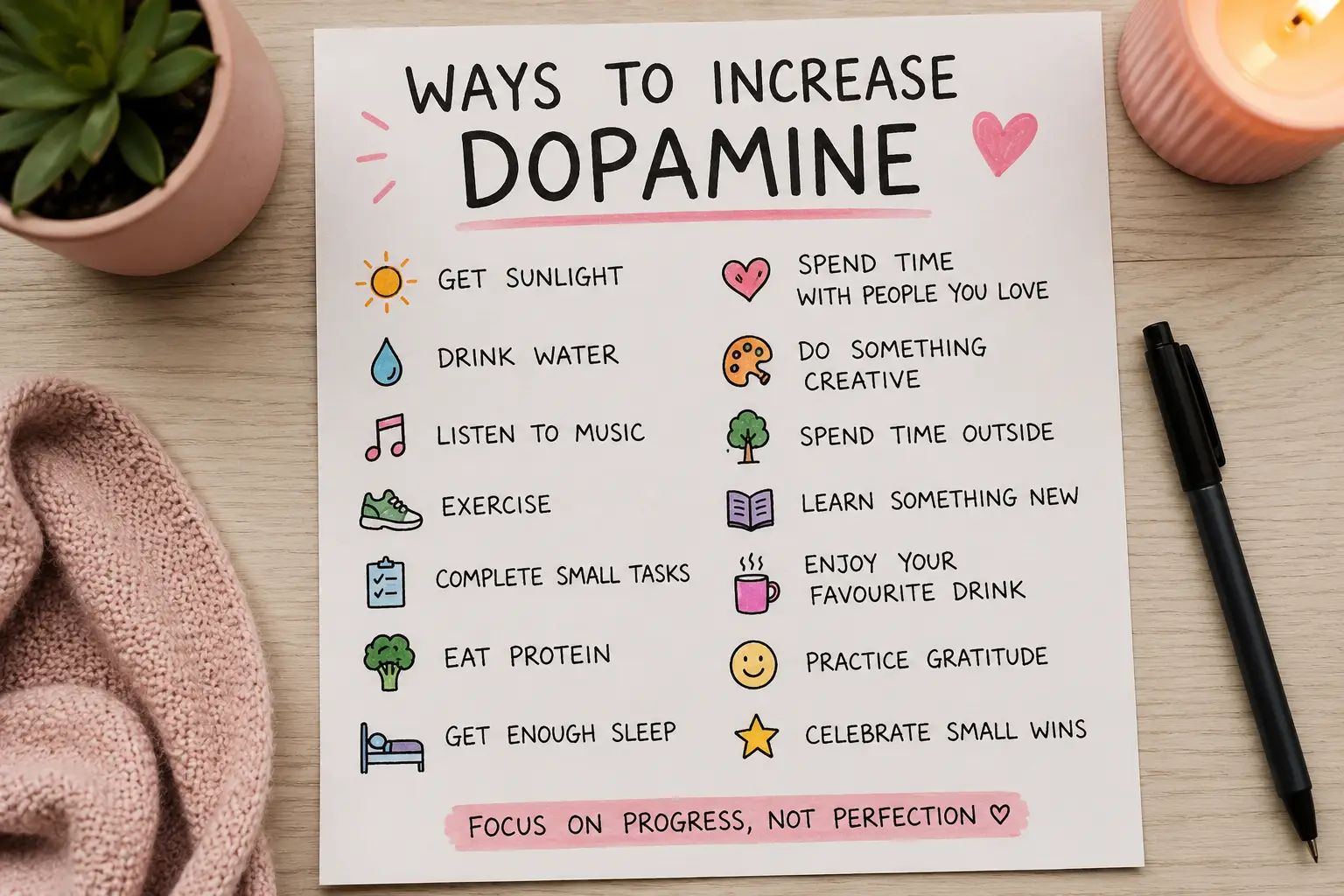
ADHD-Friendly Ways to Reduce Procrastination
There’s no magic cure, but these strategies can help make tasks feel more manageable:
Make Tasks Smaller
ADHD brains can struggle when tasks feel vague or huge.
Instead of:
“Clean the kitchen”
Try:
- put dishes in sink
- wipe counters
- empty bin
Smaller steps reduce overwhelm.
Add Dopamine
Try making boring tasks more stimulating:
- play music
- use timers
- body double with a friend
- gamify tasks
- reward yourself afterward
Remove Perfectionism
Sometimes the fear of doing something badly stops us starting at all.
Done is often better than perfect.
Use Momentum
ADHD brains often struggle more with starting than continuing.
Starting with a tiny task can create enough momentum to keep going.

You’re Not Broken
ADHD procrastination is frustrating, exhausting, and emotionally draining.
But understanding the reason behind it can remove so much self-blame.
Your brain isn’t lazy. It’s wired differently.
Once you start working with your brain instead of constantly fighting it, things can begin to feel a little easier.
Next Read: ADHD Dopamine Menus
One ADHD-friendly tool that many people find helpful is something called a “dopamine menu.”
A dopamine menu is a list of healthy, accessible activities that give your brain stimulation and support motivation without relying on doom scrolling or burnout.
In the next blog, we’ll look at:
- what a dopamine menu is
- how to create one
- dopamine menu ideas for ADHD adults
- how it can help with task paralysis and overwhelm